

Home – Our Services – ISO Standards – ISO 13485
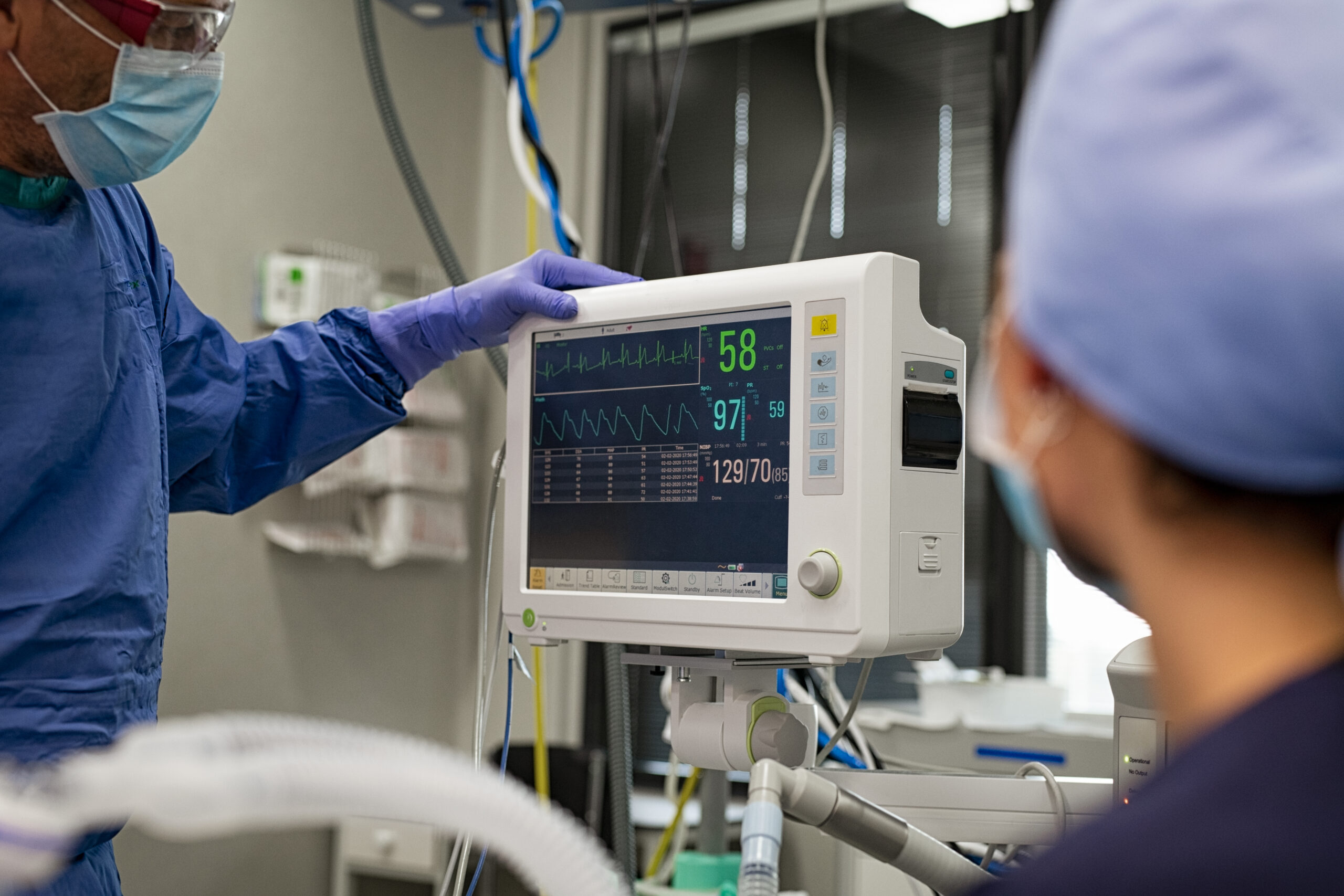
ISO 13485 is the internationally recognized standard for Quality Management Systems (QMS) for Medical Devices. Developed by the International Organization for Standardization (ISO), ISO 13485 specifies the requirements for organizations involved in the design, development, production, installation, distribution, and servicing of medical devices.
The standard is specifically designed for the medical device industry and focuses on ensuring the consistent production of safe, effective, and regulatory-compliant medical devices. ISO 13485 emphasizes risk management, product safety, process control, traceability, and compliance with applicable regulatory requirements throughout the product lifecycle.
ISO 13485 certification demonstrates an organization’s commitment to quality, patient safety, regulatory compliance, and continuous improvement in the medical device sector.
A Medical Device Quality Management System (MDQMS) is a structured framework of policies, procedures, processes, and controls designed to ensure medical devices consistently meet customer, regulatory, and safety requirements.
An effective MDQMS helps organizations:
ISO 13485 provides a globally accepted framework that helps medical device organizations establish and maintain a robust quality management system.
ISO 13485 is built upon several key principles that support quality, safety, and regulatory compliance within the medical device industry.
Organizations must establish processes that ensure compliance with applicable medical device regulations, legal requirements, and industry standards.
Risk management must be integrated throughout the product lifecycle to identify, evaluate, control, and monitor risks associated with medical devices.
Medical devices must consistently meet intended performance requirements while ensuring patient and user safety.
Organizations should establish controlled and documented processes that ensure consistency, efficiency, and quality across all operations.
Comprehensive documentation and traceability systems help ensure accountability, regulatory compliance, and effective product recall management when necessary.
Organizations should prioritize customer requirements, patient safety, and user needs when developing and delivering medical devices.
Regular audits, management reviews, corrective actions, and performance monitoring help organizations improve their quality management systems over time.
ISO 13485 helps organizations meet local and international regulatory requirements, facilitating market access and regulatory approvals.
Structured quality management processes help ensure consistent product performance, reliability, and safety.
Risk-based controls and quality assurance measures reduce the likelihood of product defects and safety incidents.
Many international markets and regulatory authorities recognize ISO 13485 as a key requirement for medical device manufacturers.
Documented procedures and standardized processes help reduce errors, improve productivity, and streamline operations.
ISO 13485 is suitable for organizations involved in any stage of the medical device lifecycle.
Organizations designing, developing, and manufacturing medical devices can use ISO 13485 to ensure product quality and regulatory compliance.
Distributors and suppliers can strengthen quality controls and demonstrate commitment to product safety and compliance.
Companies supplying components, materials, or subassemblies used in medical devices can benefit from implementing ISO 13485 requirements.
Organizations producing medical devices on behalf of other brands can demonstrate compliance with internationally recognized quality standards.
Companies providing sterilization services for medical devices can strengthen process control and quality assurance systems.
Organizations involved in research, product development, and engineering can establish structured controls throughout the product lifecycle.
Businesses developing diagnostic equipment, digital health technologies, and medical software solutions can enhance quality and compliance management.
SMEs entering or operating within the medical device industry can use ISO 13485 to build credibility, meet regulatory expectations, and access new markets.
Whether you manufacture, design, distribute, or support medical devices, ISO 13485 certification provides a globally recognized framework for ensuring product quality, regulatory compliance, patient safety, and long-term business success in the healthcare sector.
Let us know if you are interested in any of the ISO Standards and we’ll be happy to assist you.
From consultation to certification, our experts guide you every step of the way.

We take a tailored, hands-on approach, guiding you from initial consultation and gap analysis to full implementation, training, and certification readiness.
Our goal is simple, to make ISO certification clear, achievable, and valuable for your business.